After the plumber leaves
Everyday use
Owning a bidet seat is a habit, not a renovation. This hub is for the second month: descaling, filters, water restrictions, and the beginner explainer we should have handed you first.
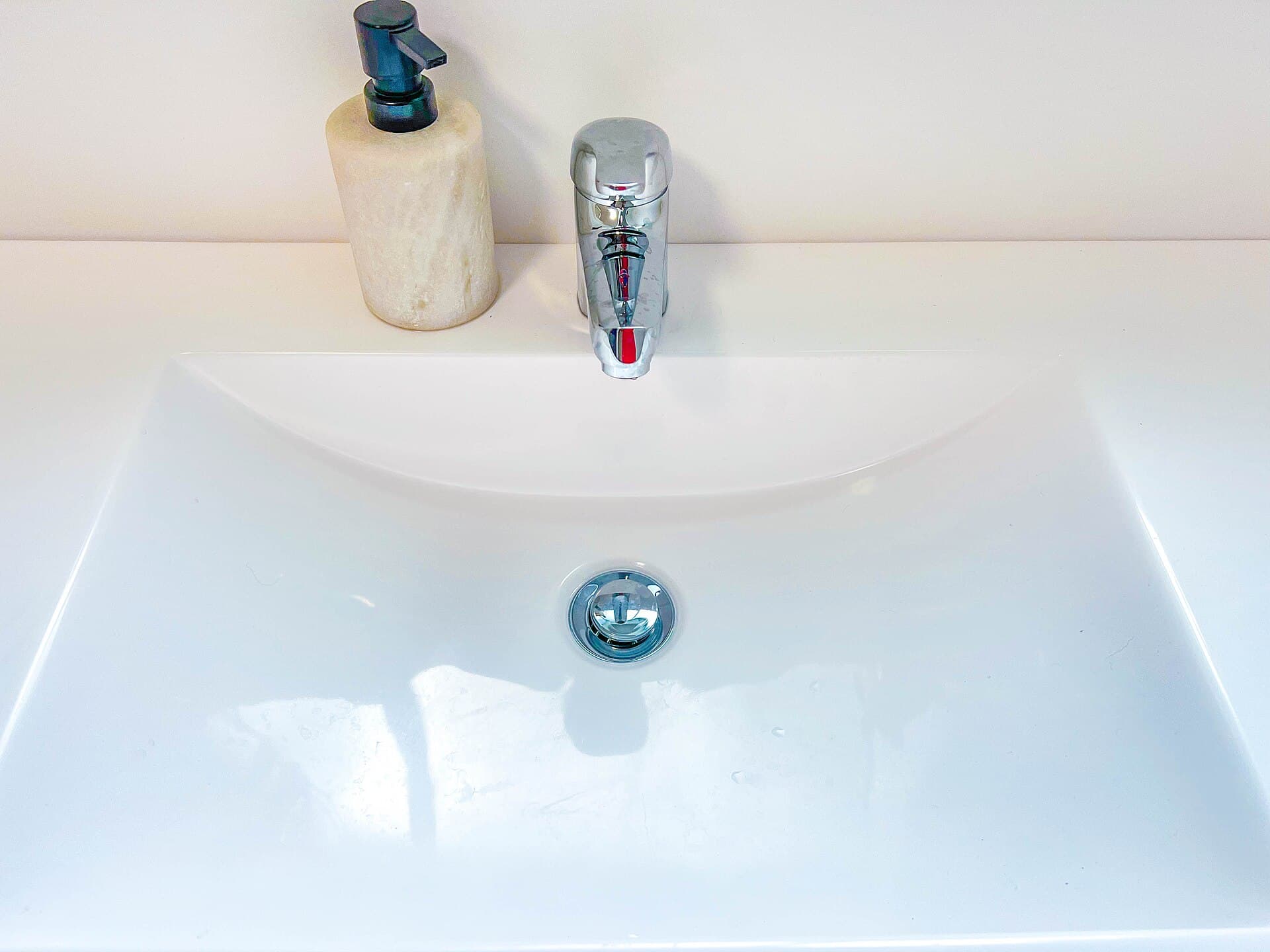
Photo: Bathroom basin tap by Smtzzz, via Wikimedia Commons, licensed CC BY-SA 4.0. Also listed on the image credits page.
A seat that is never cleaned becomes the least hygienic object in the room. A seat used on Level 2 water restrictions still uses less paper. These essays stay with the ordinary week after the invoice.
If something smells medical rather than mechanical, step back to health and hygiene. If the fault is a leak at the T-piece, go to installation and compliance and, usually, a plumber.
Guides in this hub
Bidets and water restrictions
How to keep a bidet seat polite in a drought year — short washes, no demonstrations, and the leaks that matter more than the nozzle.
Common bidet problems and fixes
Weak spray, rogue leaks, angry RCDs and remotes that drown — what to check before you decide the seat is finished.
How to clean and maintain a bidet
A no-nonsense Australian maintenance routine for nozzles, filters, seals and the bits of a seat that quietly become unhygienic.
Do bidets save water in Australia
A litres-and-paper accounting of bidet seats in a dry country — what a wash uses, what a flush still uses, and where the savings actually sit.
What is a bidet
A beginner’s map of standalone bidets, bidet seats, attachments and sprayers — and why Australian bathrooms almost always mean a seat.