Common bidet problems and fixes
Weak spray, rogue leaks, angry RCDs and remotes that drown — what to check before you decide the seat is finished.
Published 2026-08-12 · Updated 2026-09-13 · 11 minute read
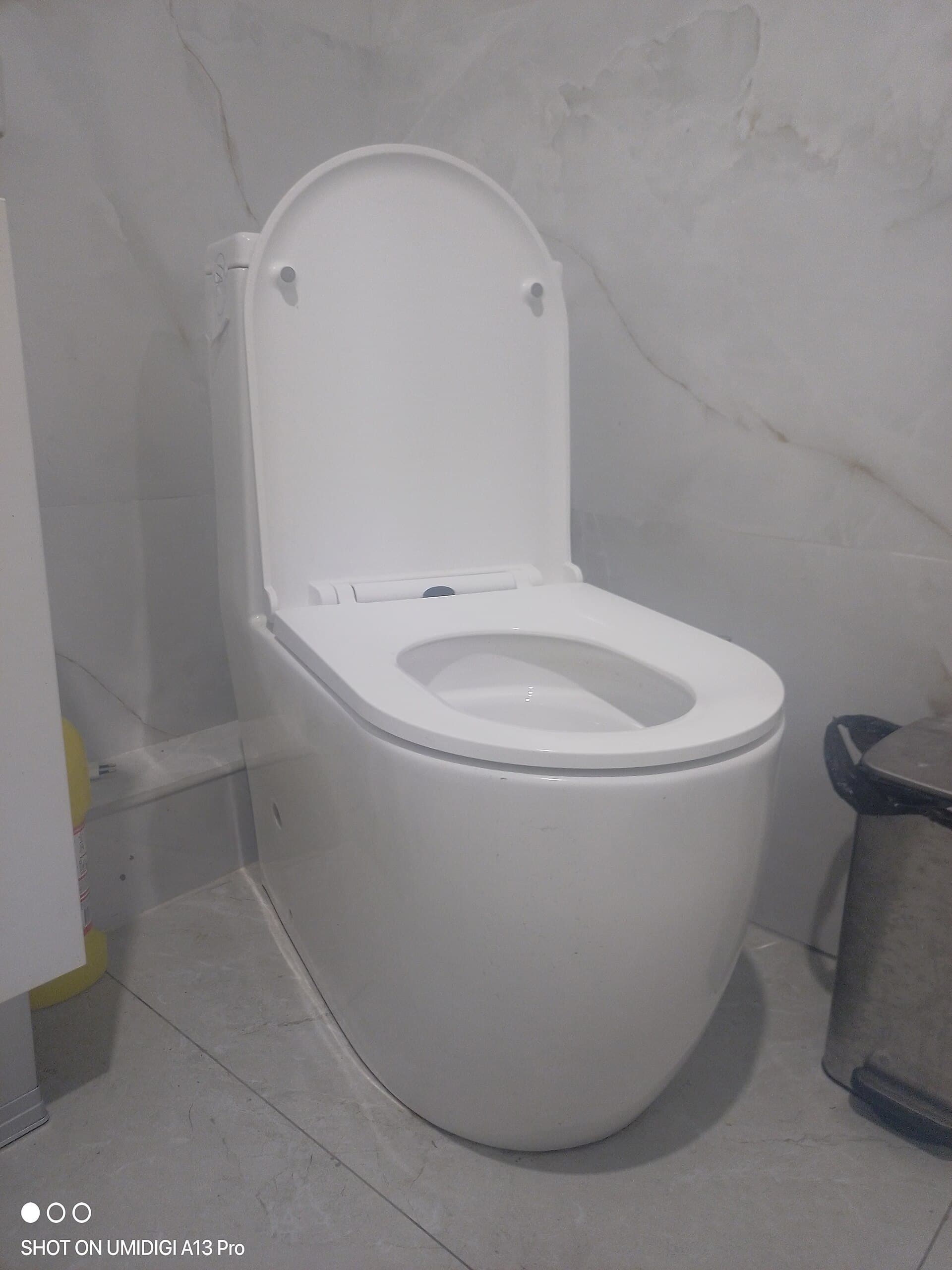
Photo: Flush toilet by Kantikkantemirgonov, via Wikimedia Commons, licensed CC0 1.0. Also listed on the image credits page.
Most “broken” bidet seats are thirsty, dirty, or wet in a place electricity hates. A few are genuinely finished. This page is the order of operations so you do not throw away a $1,200 lid because of a gauze filter.
Legal connections still matter while you diagnose. If the leak is at the tee, you are back in plumber country.
Weak, crooked or angry spray
Clean the nozzle. Maintenance fixes more personality problems than firmware. Check the inlet filter. Open the isolation valve fully. If the shower is also sulking, the house is the patient.
If the spray hits porcelain, confirm fit and that you are sitting back, as in first-time use.
Water on the floor
Dry the area. One paper towel under the tee tells the truth. Hoses that were kinked when the pan was shoved home leak later. Cisterns leak independently and enjoy the blame.
Do not seal a drinking-water joint with optimism. Backflow and WaterMark are why that joint was meant to be dull.
Heat, dryers and trips
No warm water: check the power, the eco timer, and the filter. Heated seats hide settings that go to sleep.
An RCD that trips is a stop sign. Power points were not a suggestion. Unplug. Do not reset it into a puddle.
Remotes, beeps and guests
Drowned remotes are a genre. Take the batteries out, dry the cradle, keep a cheap spare. Label the three icons that matter — features.
If a guest flooded the floor, that is training, not a fault. Leave the card.
When to stop and replace
Cracked plastic, a heater that smells, a nozzle that will not retract, a seat that moves on the pan. Replacement still goes through which bidet seat for you, not through the first marketplace tile.
The everyday use hub is the parent. If the problem is skin, not plastic, return to health and hygiene.
Questions readers actually ask
- Why is my bidet spray weak?
- Clogged nozzle, clogged inlet filter, a half-closed stop tap, or mains pressure having a day. Clean first, then look at the tap, then call a plumber if the house pressure is the story.
- Why is there water around the toilet?
- The tee, a hose, a loose seat fill, or the cistern — not always the bidet. Dry everything, run a cycle, and watch. Leaks at the drinking-water connection are a plumber’s job.
- The seat keeps tripping the safety switch. What now?
- Unplug it and stop. Water in an electric seat is not a reset-and-hope event. An electrician or the supplier’s warranty desk comes next.
Keep reading
- Bidets and water restrictions
How to keep a bidet seat polite in a drought year — short washes, no demonstrations, and the leaks that matter more than the nozzle.
- How to clean and maintain a bidet
A no-nonsense Australian maintenance routine for nozzles, filters, seals and the bits of a seat that quietly become unhygienic.
- Do bidets save water in Australia
A litres-and-paper accounting of bidet seats in a dry country — what a wash uses, what a flush still uses, and where the savings actually sit.