Bidet attachments versus seats versus handheld sprayers
Three ways Australians add a wash to a toilet — under the lid, instead of the lid, or as a sprayer on a hose — and who each one is for.
Published 2026-06-24 · Updated 2026-09-11 · 12 minute read
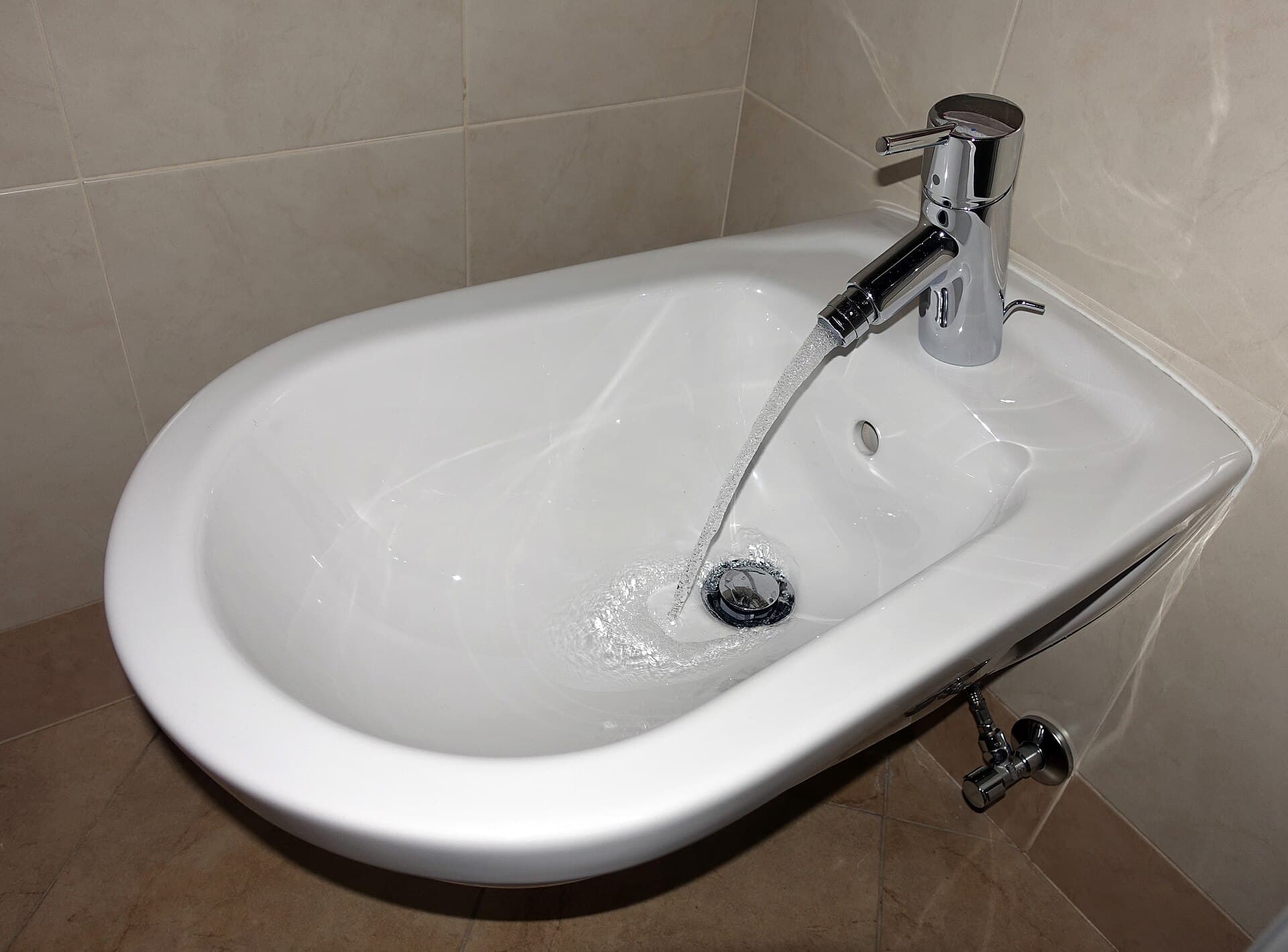
Photo: Bidet in Italy by Tiia Monto, via Wikimedia Commons, licensed CC BY-SA 3.0. Also listed on the image credits page.
Australians do not have a spare wet-room for a ceramic European bidet. They have three retrofit families. Confusing them is how you buy the wrong thing for a rental, a disability, or a winter.
The seat
A bidet seat is the product this publication spends most of its ink on. It replaces the ring, hides the nozzle, and — if electric — can heat and dry. It is the right object for daily use, for older Australians, and for anyone who wants the wash to feel like furniture rather than a gadget.
Start with which bidet seat for you and fit.
The attachment
An under-seat attachment keeps your lid. It is usually non-electric, cheaper, and easier to take to the next suburb. It is also uglier, colder, and fussier about a flat landing under the ring.
Attachments are how renters test the habit. They are how sceptical households spend $150 before they spend $1,200. They still need a legal water connection — WaterMark and a plumber do not vanish because the plastic is thinner.
The handheld sprayer
A hose, a trigger, a chance to wash a pan and a child and a dog. Also a chance to spray the wall. Read the dedicated handheld guide before you call this a bidet. It is a tap with ambition.
Handhelds are the worst of the three for disability unless someone else is doing the aiming. They can be the best of the three for a camper or a laundry toilet.
Price, trades and dignity
Cost climbs as you move from handheld to attachment to electric seat to integrated suite. Dignity usually climbs with it for anyone who cannot twist. Japanese washlets sit at the expensive end of the seat family.
If you are still unsure, buy the attachment only if you can honestly say you will upgrade later. Otherwise skip to the seat and spend the plumber once. The buying guides hub exists so that sentence has somewhere to live.
Questions readers actually ask
- What is the difference between a bidet seat and an attachment?
- A seat replaces your lid. An attachment slides under the lid you already have. Both can wash. Only some seats heat, dry and offer a remote.
- Are handheld bidet sprayers a good cheap option?
- They are cheap and easy to aim badly. Splash, hose storage and backflow are the costs. They suit some renters and some able-bodied households. They are a poor match for limited mobility.
- Which type should most people buy?
- If you can add a WaterMark seat and, if needed, a GPO, buy a seat. Use an attachment to test the habit or to keep a favourite lid. Use a handheld only if you understand the plumbing.
Keep reading
- Japanese washlets versus Australian bidet seats
What a Tokyo hotel toilet is actually selling you, and what survives contact with an Australian pan, GPO and WaterMark database.
- Handheld bidet sprayers in Australia
The hose-and-trigger option — cheap, splashy, and only a good idea if the plumbing and the person holding it are both up to the job.
- Bidets for renters
How to add a wash to a leased Australian bathroom without picking a fight with the landlord, the plumber or the next inspection.